
Read Time: 8 min
Hearing your phone ring, seeing your teenager’s name on the screen, and hearing them say, “I was just in a car crash,” is every parent’s dread. Once you confirm that everyone is physically safe, a flood of practical concerns takes over: What do we do right now at the crash site? How does a car accident caused by a young driver in Lancaster County affect our auto insurance? Will this trigger a suspension of their Pennsylvania Junior Driver’s License?
Navigating a teen driver accident in Pennsylvania requires balancing immediate emotional support with specific legal, financial, and vehicle repair steps. Young drivers lack experience handling emergency situations, making parental leadership essential during the first hour and the weeks that follow.
Our experienced team is here to guide local families through the collision recovery process. Breaking down the recovery into clear, manageable steps helps eliminate fear, prevents costly insurance mistakes, and restores your vehicle safely to the road.
TL;DR / Quick Summary
This guide provides Lancaster County parents with an actionable, step-by-step roadmap to navigate a teen’s first accident—covering crash-scene protocol, PA Graduated Driver Licensing (GDL) laws, critical insurance disclosure rules, and safety-focused collision repairs.
Key Takeaways:
- Scene Protocol: Ensure physical safety, dial 911 for a police report, and instruct your teen never to admit fault or apologize at the scene.
- PA GDL Impact: A citation from an at-fault accident can trigger a 90-day license suspension if your teen accumulates 6 or more points on a Junior License.
- Insurance Disclosure: Resident teens MUST be added to your policy; relying on “permissive use” for household members can result in total claim denial and personal financial liability.
- Your Legal Right: You have the absolute right under PA law to choose your repair shop; insurance companies cannot force you to use their preferred drive-in facilities.
Immediate Action Steps: The First 60 Minutes
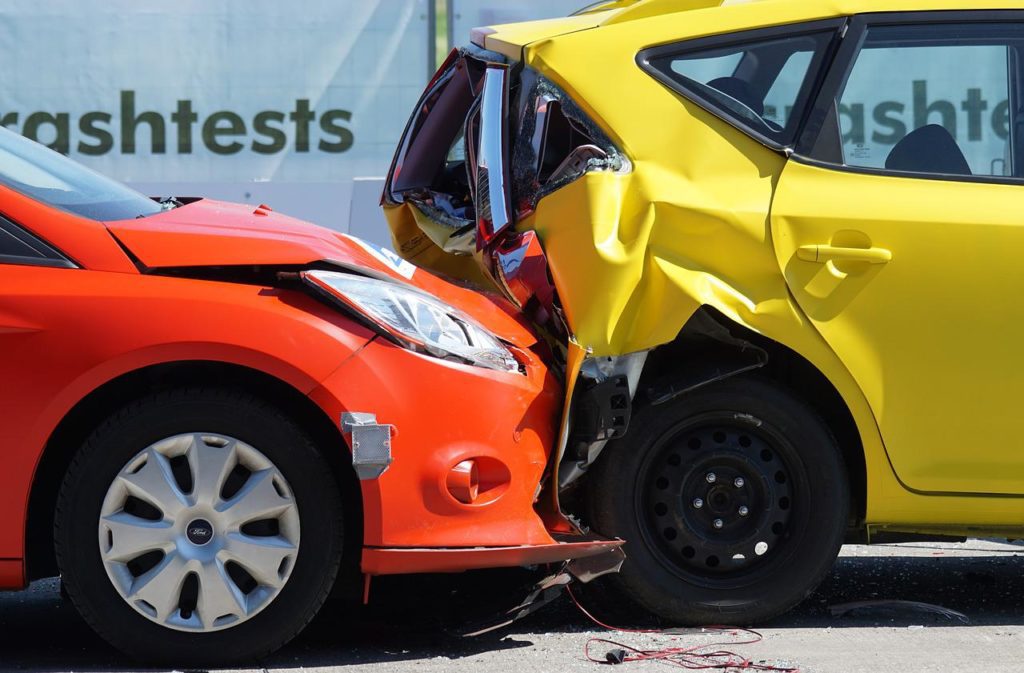
The moments immediately following a crash are overwhelming for an inexperienced driver. Instructing your teen on basic emergency protocols keeps them safe and protects your family legally.
1. Secure the Crash Scene and Call 911
Ensure your teen turns on the vehicle’s hazard flashers immediately. If the vehicles are drivable and located in an active traffic lane on busy roadways like Route 501 (Furnace Hills Pike), Route 272, or Route 222, move them safely to the shoulder or a nearby parking lot.
Always request a local or state police response. In Pennsylvania, an official police report provides an objective record of the crash scene, weather conditions, and vehicle positioning, which is critical when insurance adjusters assign liability.
2. Instruct Your Teen to Avoid Admitting Fault
Teenagers naturally want to diffuse tension by apologizing. However, saying “I’m so sorry, I didn’t see you turning” can be legally documented as an admission of fault. Instruct your teen to check on others politely, exchange required contact and policy information, but reserve details of the event for police officers and insurance adjusters.
3. Document Evidence Thoroughly
Ask your teen to take clear photographs before vehicles are moved, assuming it is safe to do so:
- Close-up and wide-angle photos of vehicle damage on all involved cars.
- Photos of road conditions, traffic lights, stop signs, skid marks, and weather.
- Photos of the other driver’s license, vehicle registration, and insurance card.
- Names and phone numbers of any independent eyewitnesses.
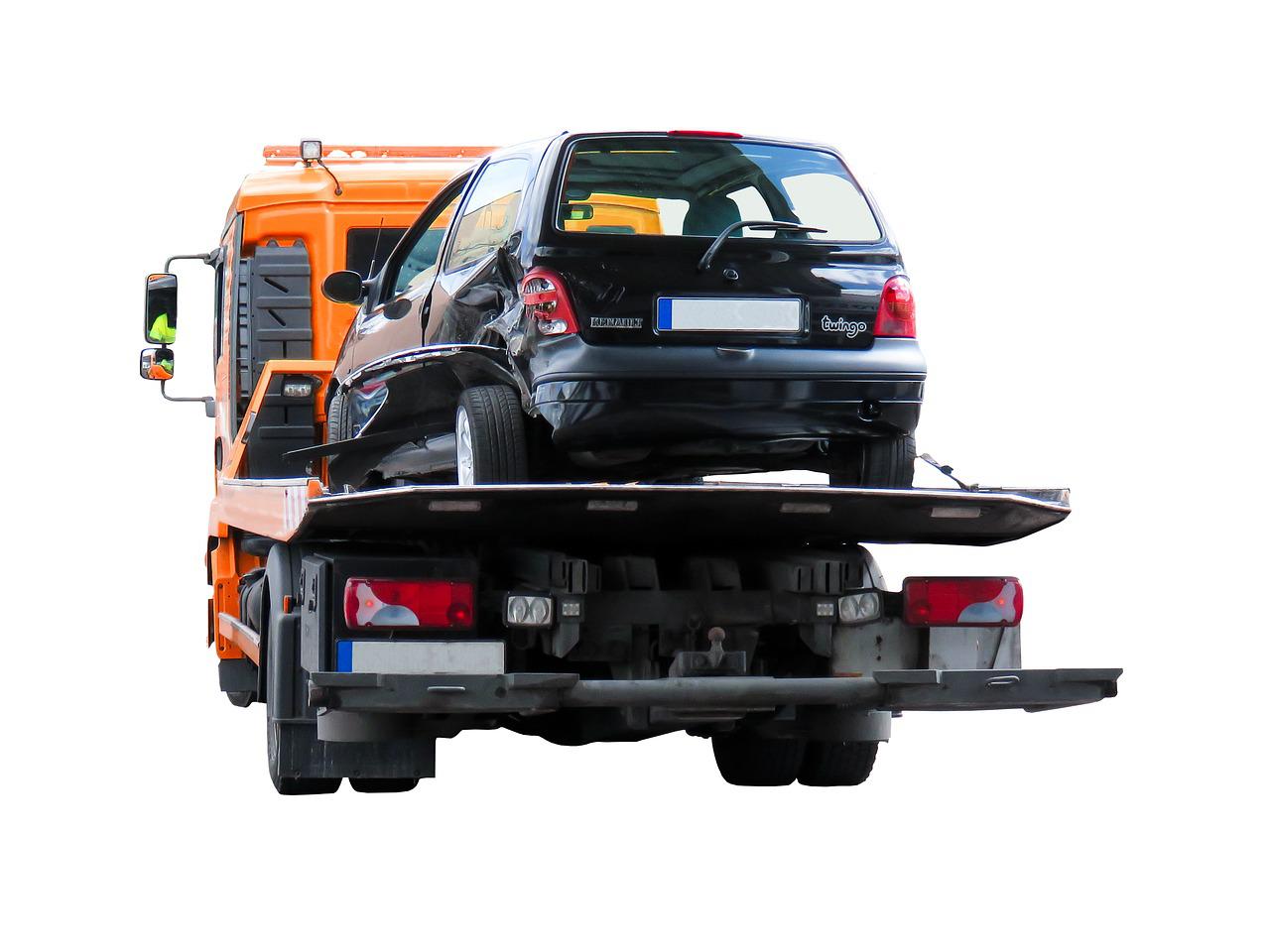
4. Arrange Towing Directly to a Repair Shop
If the vehicle leaks fluids, displays structural frame bending, or has deployed airbags, it must not be driven. You have the legal right in Pennsylvania to designate your towing destination. Instruct the driver or police officer to tow the vehicle directly to your chosen repair facility.
Pennsylvania GDL Laws and License Implications
Pennsylvania enforces strict Graduated Driver Licensing (GDL) regulations for drivers under age 18. Understanding how an at-fault crash impacts your teen’s driving privilege prevents surprises with PennDOT.
Junior License Restrictions and Points
Drivers holding a PA Junior License face strict operating rules, including an 11:00 PM to 5:00 AM driving curfew and a limit of no more than one non-family passenger under age 18.
If a teen driver receives a traffic citation in connection with an at-fault accident (such as careless driving or failure to yield) and accumulates 6 or more points, PennDOT imposes a mandatory 90-day driving suspension for a first offense.
Impact on Senior License Transition
In Pennsylvania, a Junior License automatically upgrades to a Senior License at age 18, or at age 17 ½ if the driver completes an approved driver education course and maintains a clean driving record for 12 months. An at-fault crash or moving violation resets this timeline, forcing the driver to hold Junior License status until their 18th birthday.
How Teen Driver Insurance Claims Work in Lancaster County
Insurance claims involving young drivers follow specific protocols in Pennsylvania. Understanding disclosure rules prevents devastating financial surprises after a crash.
Coverage Dynamics & The “Permissive Use” Hazard
- Learner’s Permit Holders: In Pennsylvania, drivers with a learner’s permit are typically covered under their parents’ auto policy at no additional premium until they earn their official driver’s license. Be sure to double-check your insurance company’s policy on this to be absolutely sure.
- Licensed Resident Teen Drivers (The Permissive Use Trap): Once licensed, teenagers residing in your home must be formally declared and added to your household auto insurance policy. Relying on “permissive use” for a resident teen is a major financial hazard. In auto insurance, permissive use generally applies only to non-resident drivers (such as a friend borrowing your car for a single errand). Almost all Pennsylvania auto insurance contracts explicitly require all licensed household members (resident relatives) to be disclosed. If an unlisted resident teen causes an accident, the insurance carrier can investigate for material misrepresentation and deny the claim entirely. This leaves parents personally liable out of pocket for all property damage, medical expenses, and third-party lawsuit judgments.
Managing Deductibles and Household Rates
When a valid claim is filed, you will be responsible for paying your policy’s collision deductible (commonly $500 or $1,000). While an at-fault crash generally leads to higher renewal rates, many major insurers offer Accident Forgiveness programs or driver safety course credits that help cushion the financial impact.
At Lititz Collision, we coordinate directly with many major insurance carriers, including State Farm, Erie Insurance, Allstate, AAA, Nationwide, Travelers, Goodville Mutual, Mutual Benefit, The Hartford, and Safelite Solutions, handling estimates and appraisals on your behalf. Learn more about how we navigate insurance claims here.
What Parents Can Handle vs. When Collision Experts Are Needed
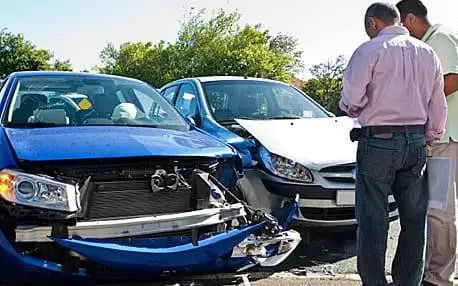
Understanding what parents can resolve versus what requires certified structural repair ensures your teen’s vehicle remains safe to drive.
What Parents and Teens Can Handle
- Gathering Documentation: Collecting police incident numbers, insurance claim numbers, and driver information.
- Initial Claim Setup: Contacting your insurance agent to report the incident and open the claim file.
- Minor Cosmetic Inspection: Reviewing surface paint scuffs or detached plastic trim that does not affect road safety.
When Professional Collision Expertise Is Required
- Advanced Driver Assistance Systems (ADAS) Recalibration: Modern vehicles use bumper and windshield sensors for automatic braking and lane assistance. Any front or rear impact requires professional digital recalibration.
- Structural Frame Alignment: Unseen frame distortion alters vehicle handling and prevents crumple zones from functioning correctly in future impacts.
- Airbag and Safety Restraint System Service: Replacing deployed airbags, seatbelt pretensioners, and impact sensors must be completed by certified technicians.
Common Teen Driver Accident Mistakes to Avoid
Avoiding typical missteps protects your financial standing and ensures proper vehicle restoration.
1. Failing to Disclose Licensed Resident Teens to Your Insurer
What people do wrong: Leaving a newly licensed teenager off the household auto insurance policy to avoid higher monthly premiums.
Why it’s a problem: Insurance companies treat unlisted resident relatives as non-disclosed risks. In the event of a crash, the carrier can deny coverage for material misrepresentation, exposing parents to total personal liability.
The right approach: Formally list all licensed resident household members on your policy as soon as they pass their road test.
2. Failing to Request a Police Officer at the Scene
What people do wrong: Agreeing to handle a minor crash privately without calling 911 or filing a police report.
Why it’s a problem: The other driver may later claim bodily injury or change their story regarding how the crash occurred.
The right approach: Always insist on a police response to document the crash officially.
3. Paying Traffic Citations Immediately Without Review
What people do wrong: Paying the citation fine online immediately after the crash.
Why it’s a problem: Paying the fine equals a guilty plea, automatically adding points to your teen’s PennDOT record, and potentially triggering a 90-day suspension.
The right approach: Consult with a legal representative or review the citation points before entering a plea.
4. Accepting the Insurer’s Initial Low Estimate
What people do wrong: Assuming the insurance adjuster’s initial visual estimate covers all necessary repairs.
Why it’s a problem: Visual estimates frequently miss internal mechanical, suspension, and sensor damage beneath plastic bumpers.
The right approach: Have a professional repair facility perform a complete teardown estimate to identify all hidden damage before repair work begins.
Conclusion
A first accident collision repair in Lititz, PA, is a stressful experience for any family, but following a structured approach minimizes disruption and ensures your teenager’s vehicle is restored to OEM safety standards. By securing the crash scene, fully declaring resident drivers on your policy, understanding PA GDL regulations, and choosing a certified repair facility, you turn an unsettling event into a manageable recovery process. We offer a variety of services to help make this process as stress-free as possible.
If your family is navigating a recent collision, let our team guide you through every stage of the estimate and insurance claim process.
Serving Lititz, Ephrata, Lebanon, Lancaster, and surrounding Lancaster County areas.
Lititz Collision
1313 Furnace Hills Pike, Lititz, PA 17543
Phone: (717) 627-3603
Website: lititzcollision.com
Frequently Asked Questions
What should I do if my teen is in a car accident in Pennsylvania?
First, ensure everyone is physically uninjured and turn on hazard flashers. Call 911 immediately to request a police officer to the scene. Have your teen exchange contact and insurance information with other involved drivers, take photos of vehicle damage and road conditions, and instruct them not to admit fault or apologize. Finally, contact your insurance provider and arrange towing to a trusted collision repair facility.
Does “permissive use” cover a licensed teen who lives in my house?
No. Permissive use is designed primarily for non-resident drivers borrowing your vehicle infrequently. In Pennsylvania, auto insurance policies require all licensed household members (resident relatives) to be listed on the policy. Failing to list a licensed resident teen can result in a coverage denial for the accident due to material misrepresentation, leaving you personally responsible for all property damage and medical claims.
How does an at-fault accident affect a PA Junior Driver’s License?
If a teen holding a Pennsylvania Junior License receives a traffic citation in an at-fault accident and accumulates 6 or more points, PennDOT imposes a mandatory 90-day driving suspension for a first violation. In addition, an at-fault conviction delays their transition to an unrestricted Senior Driver’s License, requiring them to maintain Junior status until age 18.
Do I have to use the body shop my insurance company recommends?
No. Under Pennsylvania law, vehicle owners have the absolute legal right to choose any collision repair facility they prefer. Insurance companies cannot force you to use their preferred drive-in shops or direct repair networks. You can choose a local shop that provides certified repairs and a lifetime warranty on workmanship.
How do sister repair shops in Lancaster County assist with specialized repairs?
Our multi-shop network ensures your vehicle receives specialized care tailored to its make and repair requirements. For vehicles that need certified OEM repairs after a teen’s accident, our sister shop Barry’s Paint Shop in Ephrata is equipped for every make and model. Additionally, our sister shop Lititz Collision & Repair also serves Lititz-area families needing collision repair, providing comprehensive claims support and structural bodywork.
Sources
- Pennsylvania Department of Transportation (PennDOT) — Teen Driver Safety — Official PA Graduated Driver Licensing (GDL) laws, Junior License restrictions, and point suspension thresholds.
- Pennsylvania Insurance Department — Automobile Insurance Guide — Information on policy disclosure obligations, choice no-fault rules, and repair facility rights.